
Battery Buying Advice
Why GI Energy refuses to install Fox ESS batteries
GI Energy’s decision not to install Fox ESS batteries is not a claim that every unit will fail, nor is it an attack on the brand. It reflects a broader concern about price-led product positioning, the installers that model tends to attract, and whether design, installation and after-sales support will remain dependable over the life of a battery system.
The short answer: Why we refuse to install Fox ESS batteries comes down to more than hardware. The products can look reasonable on paper and their low upfront price is genuinely attractive, but GI Energy prioritises long-term reliability, careful design and sustainable support over winning work on the lowest advertised price.
Fox ESS batteries at a glance
GI Energy’s view separates the product specification from the wider ownership and support environment.
Why does GI Energy refuse to install Fox ESS batteries?
Our decision starts with incentives. Every manufacturer and installer optimises for something. When the headline objective is the lowest possible price, conversations naturally centre on removing cost. That does not make a manufacturer or installer inherently bad, but it can shape the product ecosystem around design, labour, service and support.
Fox ESS has taken meaningful market share in Australia while being closely associated with aggressively priced battery offers. That positioning attracts many installers who also compete mainly on advertised price. Not every installer in that segment will deliver poor work, but stacking a price-led product strategy on top of an ultra-thin-margin installation model changes the probability of shortcuts or weak support.
A battery should be treated as a long-term asset, not a two-year purchase. The lowest quote cannot show whether enough time has been allowed for system design, whether equipment will be placed appropriately, or whether the installer will remain available if help is needed years later. Those considerations are central to GI Energy’s decision.
Price is not the same as value. A low upfront cost can be valid, but a cheap system becomes expensive later if the design, installation or support model is not sustainable.
What do Fox ESS batteries look like on paper?
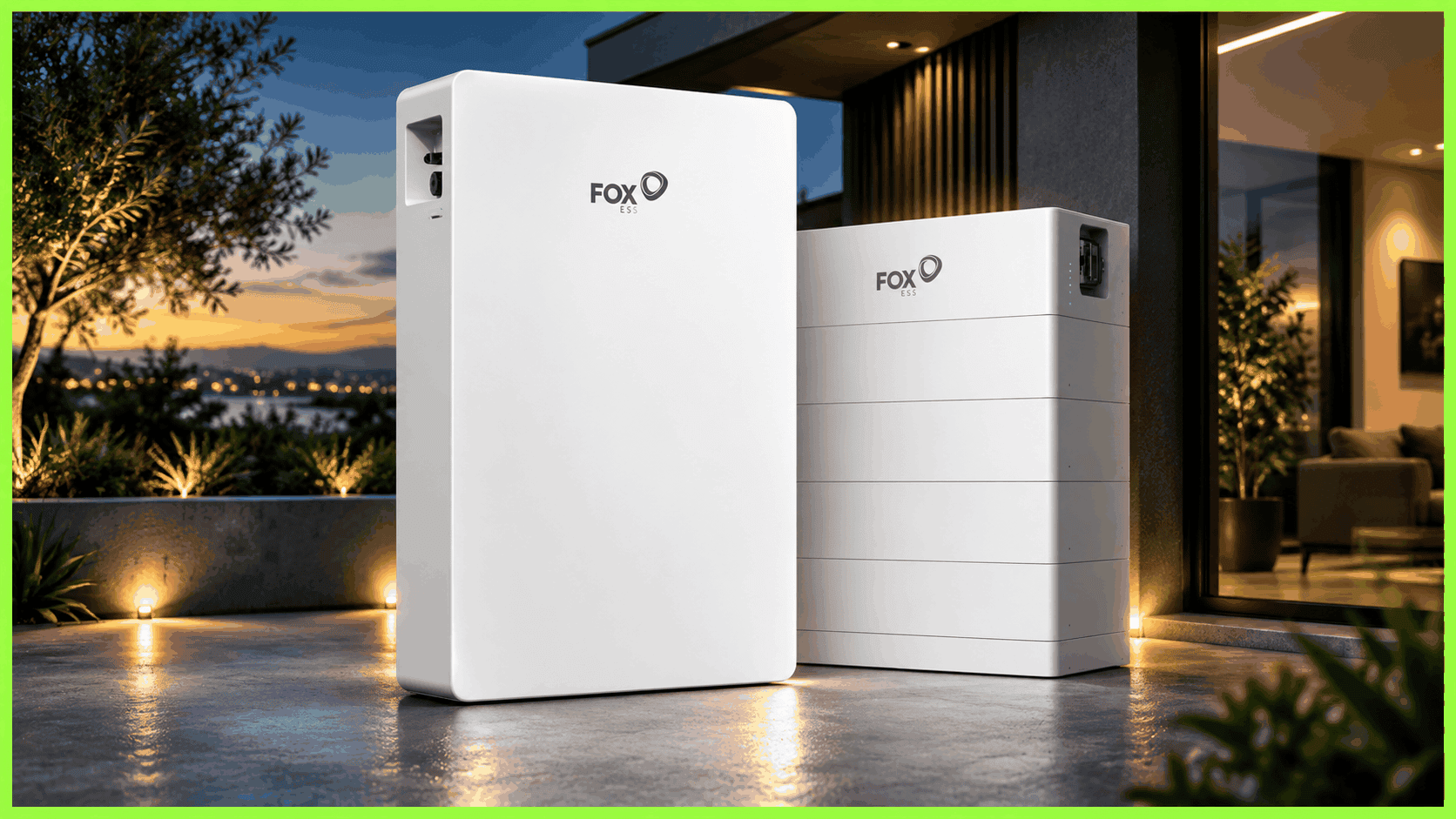
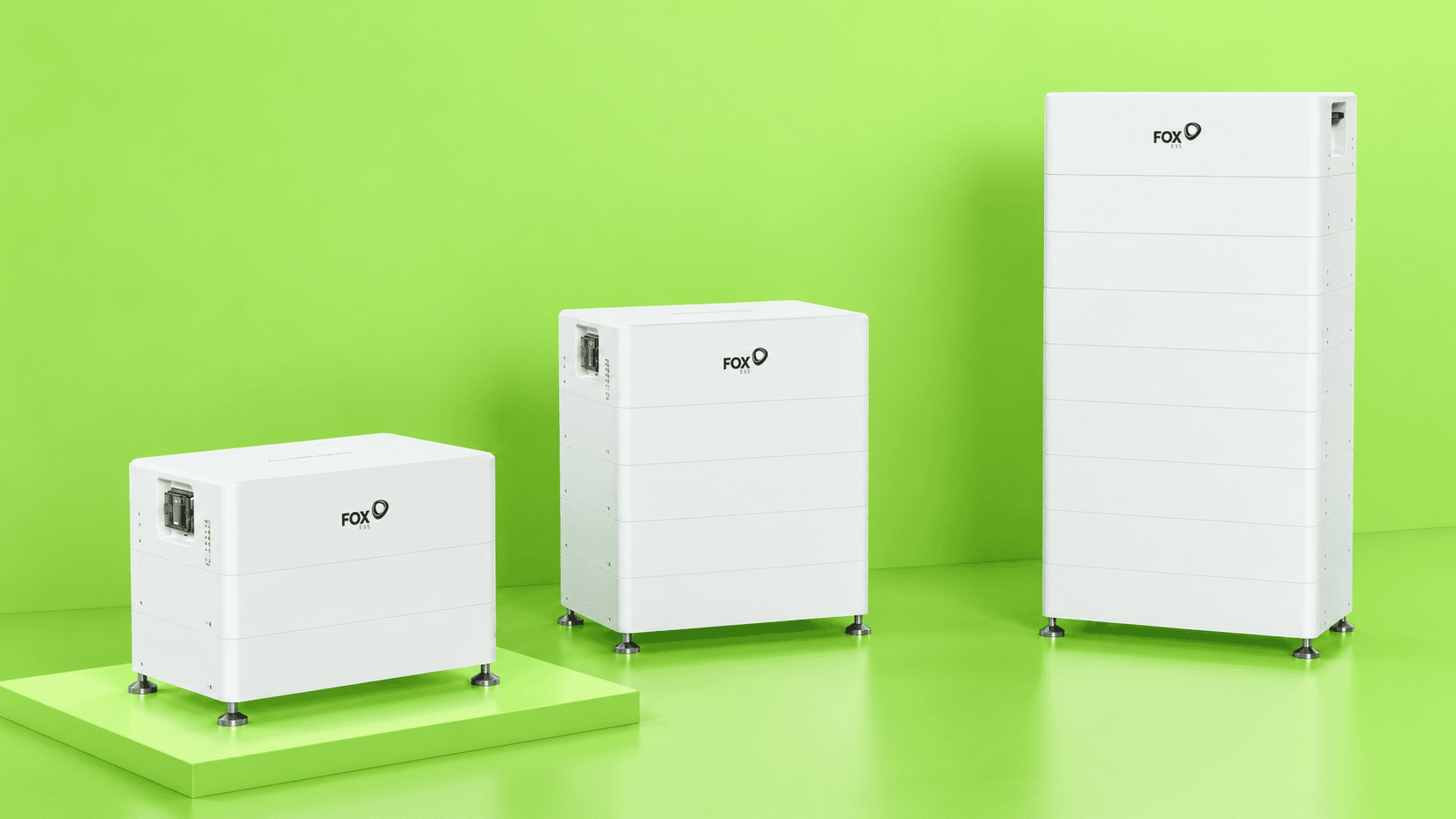
GI Energy’s assessment is deliberately balanced. The current Fox ESS range, including the EQ 4800 series and CQ6, has specifications that can look quite good on paper. The inverter offering is usable, and the hardware appears reasonable for its price. The very attractive purchase cost is an obvious positive for buyers whose main goal is minimising upfront spend.
However, specification sheets only describe part of ownership. Capacity, cycle life and warranty length can make products look similar, but they do not explain how firmware will behave, how a claim will be handled, or whether the original installer will still be able to support the system in year five.
| What is easy to compare | What needs deeper investigation |
|---|---|
| Battery capacity and headline specifications | System design for the property and existing equipment |
| Warranty length on the brochure | The practical warranty pathway if the installer is unavailable |
| Advertised purchase price | Labour, accreditation, insurance and after-sales provision included in the quote |
| Inverter features | Firmware, app stability, connectivity and ongoing support |
Price changes between product generations may come from manufacturing efficiency, scale or a deliberate market-entry strategy. GI Energy does not claim to know which explanation applies. The practical question for a buyer is whether the current generation has been in the market long enough to demonstrate the durability and support they expect.
Where can the long-term risk appear?
Support and warranty navigation
During GI Energy’s review, repeated themes included delays, communication problems and distributors stepping back from the product. GI Energy also received feedback from an Australian distributor that had carried Fox ESS several years earlier and found the level of company support inadequate when issues arose in Victoria.
A warranty process that depends heavily on the installer can work when that installer is stable and responsive. It becomes harder for a customer to navigate if a low-margin installer disappears or cannot provide adequate assistance. In a price-led segment, manufacturer and distributor support may need to be stronger because installers are more likely to rely on it.
Firmware, monitoring and connectivity
Batteries are increasingly software-driven. GI Energy found recurring complaints relating to app glitches, firmware and connectivity. These issues are not unique to Fox ESS, and software concerns do not automatically mean the battery hardware is faulty. They still matter because monitoring, system control and integration can shape the day-to-day ownership experience.
Equipment placement and system integration
Some larger Fox ESS inverters use active fan cooling. A fan is not inherently a flaw, but placing a fan-cooled inverter near a bedroom without discussing likely noise is a design and installer issue. Adequate design time should identify that before installation.
One case involved a Fox ESS battery being AC coupled to an older solar system in South East Queensland, after which the existing monitoring stopped operating. GI Energy treated this as an installation and integration problem, not a Fox hardware failure. It is a useful reminder that product complaints can sometimes begin with poor execution.
Importantly, GI Energy’s review did not find credible industry-backed failure-rate data showing widespread, systematic hardware breakdown. Our conclusion is not that every Fox ESS battery will fail. It is that acceptable hardware and a low price do not, by themselves, create the long-term ownership model we are prepared to support.
Make a more informed battery decision
Understand the questions worth asking about sizing, system design, backup and long-term value before comparing quotes.
Download the Free Battery GuideWhat should you ask before choosing a battery?
The most useful comparison is not simply Fox ESS against another logo. It is the complete offer: product, design, installation, business stability and support. Buyers can begin with a few practical questions.
- Is the system being designed around your consumption, existing solar, tariff and backup priorities?
- Has the installer allowed enough time and labour for a careful installation?
- Is the equipment location suitable, including any operating noise?
- Who handles firmware, monitoring, connectivity and warranty issues?
- What happens if the original installer is no longer trading when support is required?
- Does the quote fund the after-sales service you expect over the system’s life?
There is no shame in prioritising the lowest upfront cost, provided the trade-off is understood. GI Energy operates in the quality-first part of the market, where cost matters but is not the primary driver. That difference in business model is the genuine reason we do not quote Fox ESS batteries.
Useful independent checks
Read the YourHome battery guide, check your installer’s current accreditation and review the ACCC guidance on solar panels and home batteries before deciding.
Key Takeaways
- GI Energy’s decision is about long-term alignment, not brand bashing or a claim that every Fox ESS unit will fail.
- Fox ESS pricing is attractive, and the current products can look reasonable on paper.
- Specification sheets do not reveal the quality of design, installation, software support or warranty assistance.
- A price-led manufacturer and price-led installer can create greater long-term service risk for the customer.
- The complete installer and support ecosystem matters as much as the hardware.
Frequently Asked Questions
Why does GI Energy refuse to install Fox ESS batteries?
GI Energy does not compete in the price-first battery segment. We prioritise tailored design, installation quality and sustainable after-sales support, and we do not believe the ecosystem commonly surrounding Fox ESS aligns with that model.
Does GI Energy think all Fox ESS batteries will fail?
No. GI Energy’s review did not find credible industry-backed failure-rate data showing widespread, systematic hardware breakdown. The concern is the broader probability of design, installation, software and support problems over time.
Are Fox ESS batteries poor value simply because they are cheap?
No. A lower price does not automatically make a product poor value, and Fox ESS hardware appears reasonable for its price. The buyer should still examine what has been allowed for design, labour, warranty help and long-term support.
What should I compare beyond a battery specification sheet?
Compare system design, installer stability, equipment placement, integration with existing solar, firmware and app support, and the practical warranty pathway. These factors are difficult to capture in headline specifications.
Can an installation problem be mistaken for a battery fault?
Yes. One case involved an existing solar system whose monitoring stopped after a battery was added. GI Energy treated that case as an installation and integration issue rather than evidence of a Fox ESS hardware failure.
Discuss a battery system designed for your property
GI Energy can assess your existing solar, energy use, tariff and long-term priorities before recommending a system.
Request a ProposalContinue your research: contact our team, learn more about solar, use our solar and battery calculator or read about GI Energy.