Is a Solar Battery Worth It? The Real Lifetime Value Explained
Quick Answer: Yes — for many Australian homeowners, a solar battery is worth it when you factor in lifetime value, not just short-term bill savings. Beyond reducing electricity costs, batteries offer backup power, protect against rising tariffs, support EV charging, and even generate revenue via Virtual Power Plants (VPPs).
Why Ask if a Solar Battery is Worth It?
Solar batteries are no longer just futuristic “energy toys.” With government rebates, smarter tariffs, and rising energy prices, more Australians are asking if a battery is financially — and practically — worthwhile.
At GI Energy, we’ve seen thousands of homeowners weigh the numbers. The truth? The decision isn’t just about today’s savings. It’s about lifetime value: energy independence, resilience, and protection against future price hikes.
How Much Does a Solar Battery Cost in Australia?
Battery costs vary depending on brand, size, and installation setup. Thanks to subsidies like the Solar Victoria Battery Rebate and state programs, Australians are paying significantly less today than even two years ago.
| Battery Size | Typical Installed Cost (Post-Rebate) | Example Brands | Avg. Payback Potential |
|---|---|---|---|
| 8 kWh | $8,000 – $10,000 | BYD, Sungrow | 4 – 7 years |
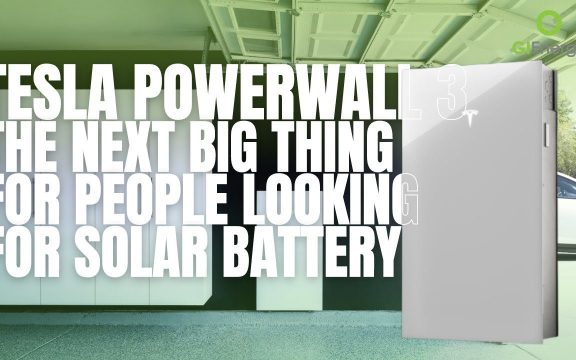
| 13.5 kWh | $12,000 – $14,500 | Tesla Powerwall | 4 – 7 years |
| 20–40 kWh | $18,000 – $28,000 | Redback, Senec | 4 – 7 years |
Want to compare leading models? See our Best Solar Battery in 2025 guide.
What Are the Real Benefits of a Solar Battery?
1. Bill Savings That Compound Over Time
-
Store daytime solar and use it at night instead of paying $0.35+ per kWh.
-
Example: An 11kWh battery can save ~$3,500 per year. Larger households with 30–40kWh storage can save well over $5,000 annually.
-
Savings grow as electricity prices rise (historically 5–20% per year).
2. Backup Power During Outages
Blackouts aren’t just an inconvenience — they can ruin food, disrupt work, and cut off cooling/heating. A battery keeps essentials like fridges, lights, and Wi-Fi running.
3. Virtual Power Plant (VPP) Revenue
Through partners like Amber and other retailers, you can earn money by discharging into the grid when demand spikes. Customers have offset $1,000–$2,000 per year this way. Don’t know what a VPP is? Read this blog to learn more: What is a Virtual Power Plant (VPP)?
4. Electric Vehicle Charging
EV owners save even more by charging at home on stored solar power — removing annual petrol costs without the expensive energy bill to replace it.
5. Energy Independence & Control
-
Track your system live with smart apps.
-
Reduce reliance on volatile grid pricing.
-
Automate appliances (e.g. pool heating, aircon pre-cooling) for near-zero cost.
6. Environmental Impact
-
Reduce CO₂ emissions.
-
Typical households cut the equivalent of 2–3 cars’ worth of emissions annually.
The Risks of Cheap Batteries
Social media is flooded with suspiciously cheap battery offers. Many use questionable gear with shorter lifespans, poor warranties, and limited service support.
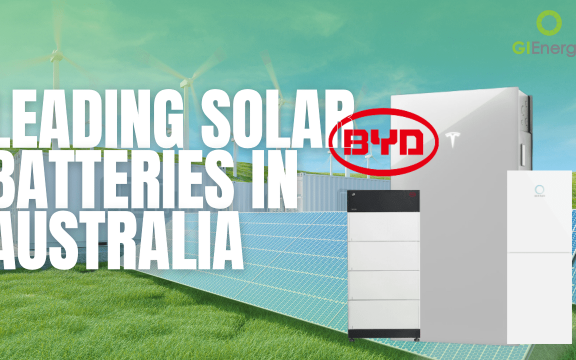
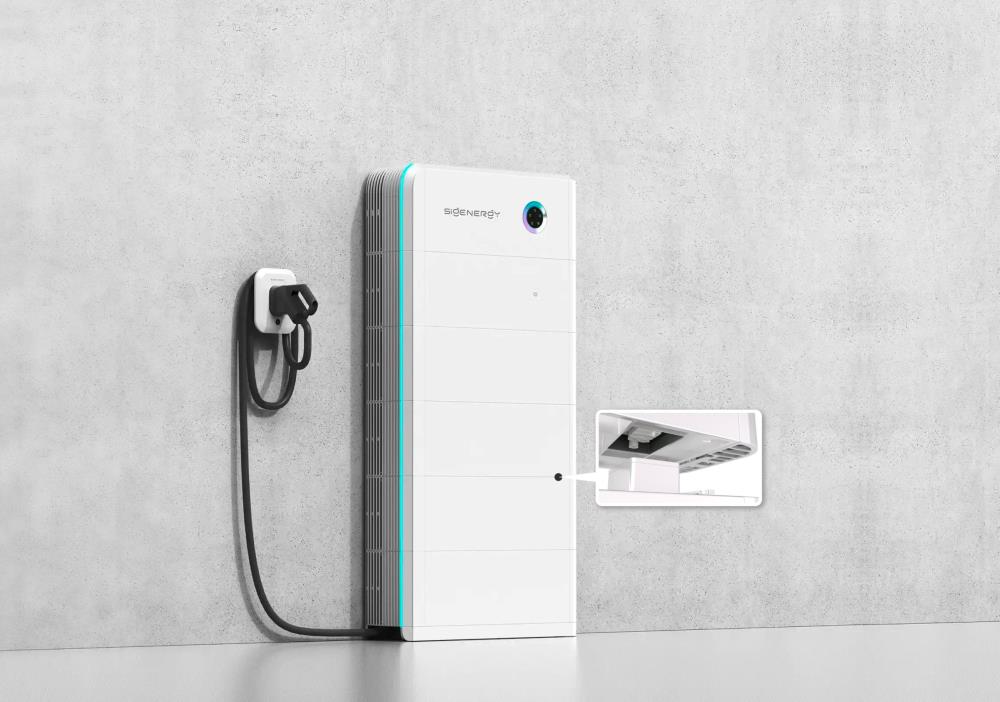
At GI Energy, we only install products we have done a great deal of due diligence/ Some of the main ones are Tesla, BYD, Sungrow and Sigenergy. Cheap gear may look good upfront but destroys lifetime value.
For a clearer comparison, read our blog about the best solar batteries this 2025:

Is the Payback Period Reasonable?
Unlike solar panels (which often pay for themselves in 3–4 years), batteries usually take a little longer at 5–6 years depending on usage and incentives. But here’s the kicker: most warranties cover 10 years, so your investment typically breaks even well within its life.
Think of it like insurance: you’re not just buying ROI, you’re buying certainty, protection, and energy freedom.
Who Gets the Best Value from a Solar Battery? (Is it worth it?)
-
Households using 20kWh+ daily
-
Families with EVs
-
Homes on time-of-use tariffs
-
Regional areas with frequent blackouts
-
Owners planning to stay in their home 5+ years
FAQs: Is a Solar Battery Worth It?
1. How long does a solar battery last?
Most modern lithium-ion batteries last over 10 years, with warranties covering at least 10 years.
2. Will rebates cover part of the cost?
Yes. Schemes like the Cheaper Home Battery Program State programs vary.
3. What happens during a blackout?
If configured with backup, your battery powers chosen key circuits pr potentially the whole house. Not all batteries are equal here though so make sure you are getting the back up part designed correctly.
4. Can I add a battery to existing solar?
Absolutely. Most systems can be retrofitted either with a compatible hybrid inverter or with an AC coupled battery.
5. Is it better to buy a bigger battery?
Not always. The best size matches your daily usage — a good installer will run load analysis before recommending capacity.
6. Which brands are most reliable?
Tesla, BYD, Sigenergy and Sungrow are the leaders in performance, support, and longevity.
Key Takeaways
-
Yes, a solar battery is worth it — especially when considering lifetime value, not just upfront ROI. We are obviously biased here as a solar installer but the financial returns alone are pretty impressive, thats before you factor in back up power and environmental savings.
-
Benefits include bill savings, backup power, VPP earnings, EV charging, and future-proofing against rising energy costs.
-
The sweet spot: households with high energy usage, EVs, or frequent blackouts.
About GI Energy
GI Energy is an award-winning Australian solar and battery installation company with over a decade of experience. Known for ethical practices, high-performance systems, and exceptional after-install support, GI Energy is trusted by homeowners, councils, schools, and major businesses nationwide.
Written by Daniel McCabe, founder and strategist at GI Energy. With over 16 years in the energy industry — from procurement to solar and holistic energy management — Daniel is focused on helping Australians take a balanced, long-term approach to their energy needs. His insights combine real-world experience with a strong belief in intelligent, ongoing support — not just one-off solar installs.