
Type A RCBOs & Blackout Protection: What Australian Homeowners Need to Know
Quick answer:
When most people think about upgrading to solar or adding a battery, they focus on panels, battery size, savings, and backup power. Since the launch of the Cheaper Homes Battery Program, battery installation volume has increased by around 400%.
What often gets missed is the electrical protection behind the scenes.
At GI Energy, we believe a quality solar or battery installation is not just about performance. It is about safety, compliance, and making sure your home is properly protected for years to come.
One of the most important updates in recent years relates to Type A RCBOs and how they apply to modern homes, especially those installing battery systems with blackout protection.
What Changed in the Australian Wiring Rules?
Under AS/NZS 3000:2018 Amendment 2, electricians across Australia are no longer permitted to install older Type AC RCDs in many new or upgraded installations.
Instead, modern installations now typically require Type A RCDs or Type A RCBOs on final sub circuits.
This became especially important from 1 May 2023, when the updated standards came into effect.
For homeowners, this means if you are upgrading switchboards, adding new circuits, installing solar, EV charging, or battery systems, your protection devices may need to be brought up to current standards.
What Is an RCBO?
An RCBO combines two important protections into one device:
Residual current protection (safety switch protection)
Overcurrent and short circuit protection (circuit breaker protection)
This gives a cleaner, safer, and more advanced level of circuit protection than older style arrangements.
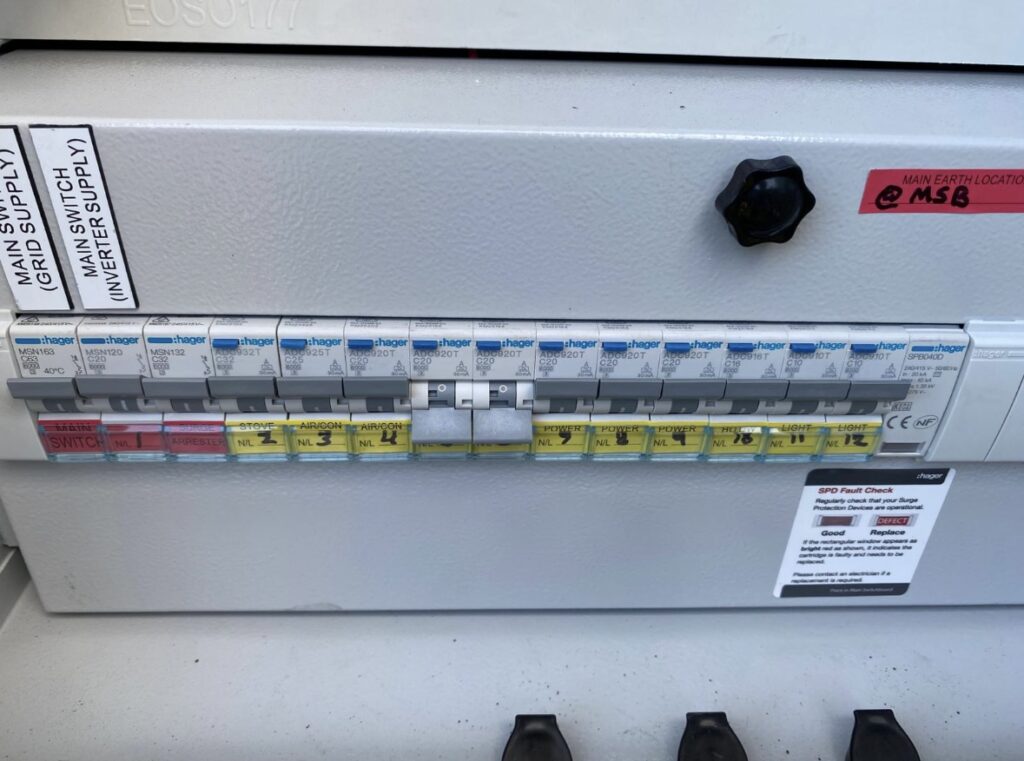
Why Type A RCBOs Matter
Modern homes now contain far more advanced electronics than they did years ago.
This includes:
- Solar inverters
- Battery inverters
- EV chargers
- Induction appliances
- Modern power supplies and electronics
Some of this equipment can introduce pulsating DC leakage currents.
Older Type AC devices are only designed to detect standard AC earth leakage. In some fault conditions, they may not respond appropriately.
Type A RCBOs are designed to detect both:
- AC leakage currents
- Pulsating DC leakage currents
That makes them a better fit for today’s homes and energy systems.
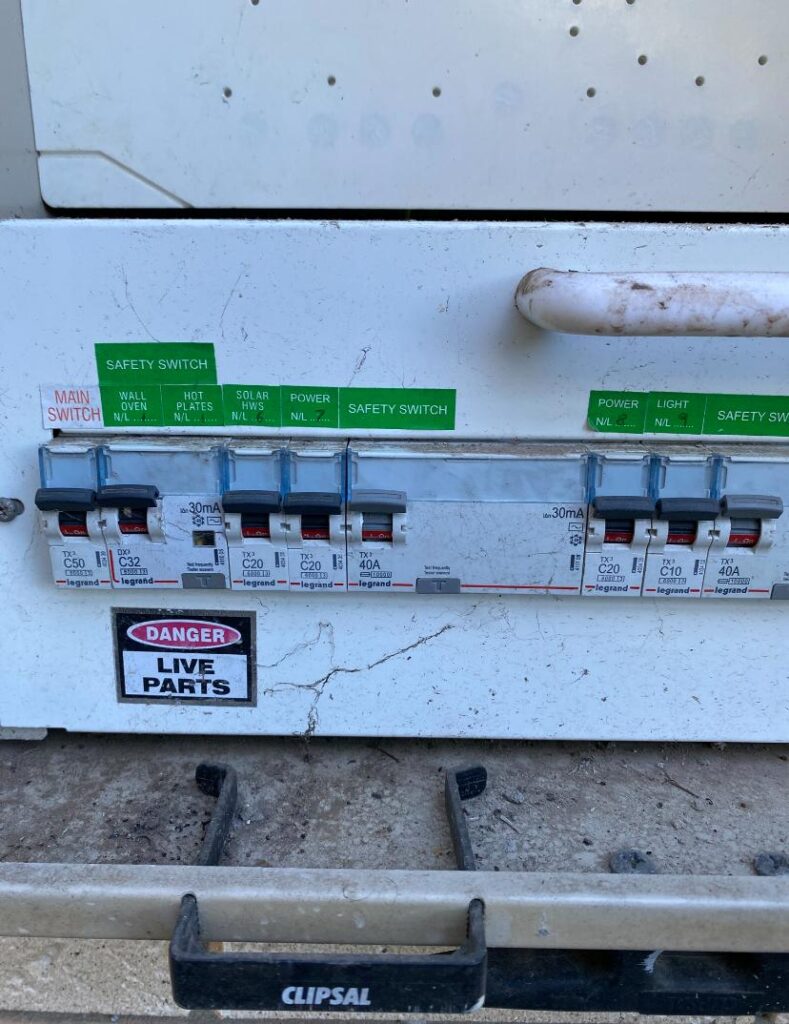
The image above shows an example of older circuit breakers that would need to be replaced.
Battery Backup and Blackout Protection
If you are installing a battery system with blackout protection or backup circuits, this becomes even more important.
During a blackout, selected circuits may continue operating from battery power. Those circuits still need the correct safety protection in place.
In many battery backup scenarios, the backed up circuits must be protected with compliant Type A RCBOs.
This is not an area to cut corners.
A battery may be premium, but if the switchboard and protection design are poor, the overall system is poor.
What If Your Home Still Has Type AC Devices?
Many Australian homes still have older protection devices installed.
They do not always need to be replaced immediately if no electrical work is being carried out.
However, if you are:
- Installing a battery
- Adding solar
- Upgrading your switchboard
- Adding new circuits
- Changing backup circuits
…then parts of the installation may need to be upgraded to meet current standards.
This is where proper advice matters.
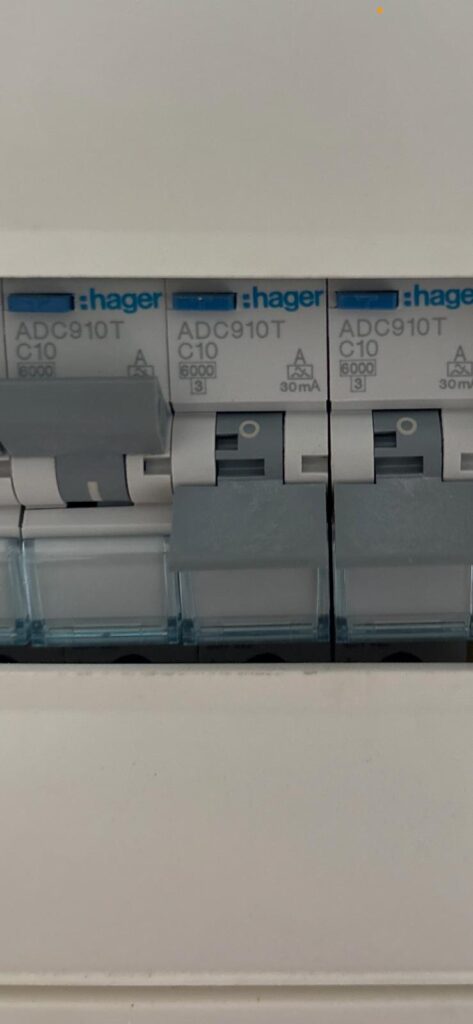
The image above shows a close up of what a Type A RCBO looks like.
The GI Energy Approach
At GI Energy, we do not view solar and battery systems as a box sale.
We view them as part of your home’s long term energy infrastructure.
That means looking beyond headline battery pricing and checking whether the electrical foundation is right.
Our team assesses:
Existing switchboard condition
Circuit protection suitability
Backup circuit design
Compliance requirements
Future readiness for EVs and electrification
If upgrades are needed, we explain them clearly and do the work properly.
Why This Matters
A cheap quote may ignore switchboard upgrades or use the minimum possible scope.
That can create issues later.
A properly designed installation may cost more upfront, but it usually delivers better safety, smoother approvals, stronger reliability, and fewer headaches over time.

Need Advice on Battery Backup or Switchboard Compliance?
If you are considering solar, battery storage, or blackout protection, speak with the GI Energy team.
We will help you understand not just the battery, but the entire system around it so your investment is safe, compliant, and built to last.
Frequently Asked Questions
What is a Type A RCBO?
A Type A RCBO is a safety device that combines circuit breaker protection with residual current protection. It is designed to detect both standard AC faults and pulsating DC leakage currents, making it better suited to modern homes with solar, batteries, and EV chargers.
Do I need Type A RCBOs for a solar battery installation?
In many cases, yes. If you are installing a battery system, blackout protection, new circuits, or upgrading a switchboard, current Australian standards may require Type A RCBOs on relevant circuits.
Why are Type AC safety switches no longer preferred?
Older Type AC devices are only designed to detect alternating current faults. Many modern appliances and energy systems can create pulsating DC leakage currents, which is why Type A protection is now commonly required in new or upgraded installations.
Do I need to replace existing Type AC RCDs immediately?
Not always. Existing devices may remain if no changes are being made. However, if circuits are altered, extended, or upgraded during solar or battery installation, new compliant protection may be required.
Are Type A RCBOs required for blackout protection circuits?
Often, yes. Backup circuits supplied during a blackout still need compliant safety protection. This is especially important when battery systems energise selected circuits during grid outages.
Will Type A RCBOs increase the cost of my installation?
They can increase upfront cost compared with older devices, but they improve safety, compliance, and compatibility with modern electrical equipment. In most cases, this is a smart long term investment.
How do I know if my switchboard is compliant for a battery install?
A qualified electrician or experienced solar battery installer should inspect your switchboard, circuit protection, wiring layout, and backup circuit requirements before installation.
Does GI Energy check switchboard compliance before installing batteries?
Yes. GI Energy reviews switchboard condition, protection devices, backup circuit design, and compliance requirements so your battery system is installed properly and built to last.
Here are some other links you may find helpful: